
Doubt, Fear and Tough Business Conversations As A Salon Owner
Doubt, fear and difficult conversations can take up a lot of a salon owner’s energy. You may know a conversation needs to happen and still find yourself putting it off or going over it in your head.
Let’s look at how you can give those feelings some space and prepare for a useful conversation, with yourself or your team.

ARE MY FEELINGS VALID?
The things that can trip us up most are our fears and doubts.
What if the decision does not work out?
What if the team do not understand what I am trying to change?
What if customers choose to go elsewhere?
Doubts, fears and then more fears and doubts… have you been feeling like this lately?
What are you doing when these fears come up?
Perhaps you criticise yourself for feeling worried, or tell yourself the fear is silly. That can leave you arguing with the feeling instead of looking at what needs your attention.
The uncertainty can be real. Feeling worried does not prove the decision will go badly, but it can prompt you to check what you know and what still needs an answer. You do not have to talk yourself out of the feeling before you can prepare.
ONE THING I DO FOCUS ON IN MY DARKER MOMENTS IS THE FACT THAT I HAVE SURVIVED ADVERSITY BEFORE AND THRIVED
I know talking about going from surviving to thriving may seem a stretch when things feel difficult, but I do put my attention there. I prepare what I can and then get present.
In the original pandemic article, I described how worried I felt about my team and the difficult decisions ahead. That experience reminded me that what a decision means for me may be very different from what it means for someone else.
How do you handle these tough business conversations?
One way I have described preparing for a conversation is to look at…
- How I FEEL
- The BEHAVIOUR I want to shift
- And the IMPACT it is having
SALON OWNER CONVERSATIONS
HOW TO HAVE TOUGH BUSINESS CONVERSATIONS WITH YOURSELF
Sometimes the difficult conversation is the one you keep having with yourself. A few clear questions can help you move beyond going over the same worry again.
Start by writing down what you feel, the specific behaviour or situation you want to discuss, and the impact it is having. Then separate what you have observed from what you think it means. That helps you explain the concern and leave room to hear the other person’s view.
For example, imagine you have reminded the team about using the agreed amount of colour, but notice it being mixed differently again. “They don’t care about the cost” is one explanation you might have in mind. What you have actually noticed is the difference in how it is being measured.
You could begin, “Can you show me how you are deciding how much to mix? I want to understand what is happening before we go through it again.” They may need practice with the measuring, or there may be something about the service you have not discussed. Once you understand that, you can decide what needs to change. If they understand the agreement and are choosing not to follow it, that needs a different conversation.
FEAR AND DOUBT
Fear and doubt are common feelings, especially in the middle of the night! When you find yourself trying to solve everything at once, come back to what is happening now and the next decision you can actually make.
Come back to what you want the conversation to achieve. You do not have to make the feeling disappear before you can prepare a clear and respectful next step.
HOW TO HAVE TOUGH BUSINESS CONVERSATIONS WITH YOUR TEAM
It can be difficult to raise something again when you are frustrated and worried about how it will be received. Being clear about the issue can help you begin without turning the conversation into a judgement of the person.
It’s a challenge when you want your business to thrive but you are not being heard. Before the conversation, be clear about what happened and what you need to discuss. Explain the impact without guessing the other person’s intention. Ask how they see it, then agree what needs to happen next and when you will check back.
TEAM MEETING GUIDE
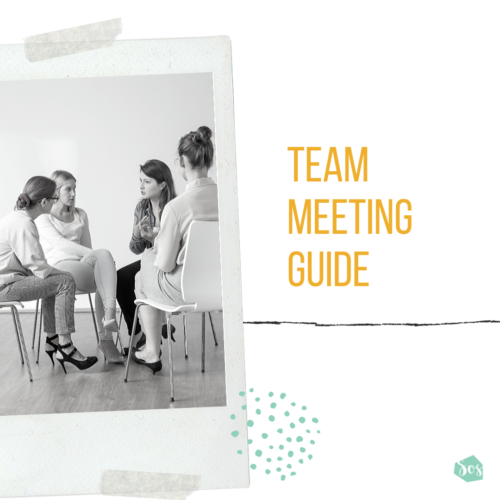
Keep connected with your team, including when the topic is uncomfortable. A team meeting can help when everyone needs the same information or needs to contribute to a shared decision. A private concern about one person may need a one-on-one conversation instead.
The Team Meeting Guide has practical ideas for making shared meetings productive, inclusive and useful. If that is the kind of conversation you are preparing, read it for help planning the meeting. Keep an individual concern for the appropriate private conversation.



Share this entry